Turmeric for Horses Made Simple

turmeric linseed black pepper horse pony

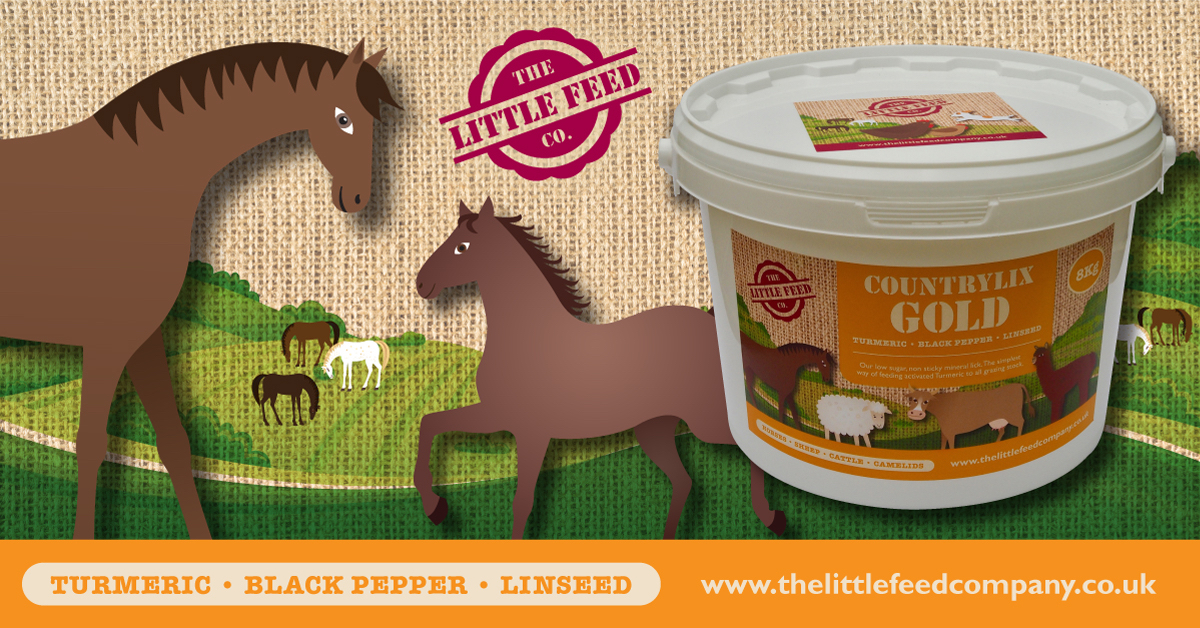
Countrylix Gold Turmeric Lick. The simplest way to feed your horses turmeric through the summer

Thousands of horse owners have turned to turmeric to improve the health of their horses. It offers a palatable and natural solution to joint stiffness, skin problems and immune function. Turmeric is usually fed as a supplement, but this is not always convenient. During the summer, many horses do not require any extra hard feed so in order to continue feeding turmeric an alternative is needed. Our Turmeric Lick is the solution!

Countrylix Gold is the only Turmeric Lick available in the UK. This method of feeding gives your horse free access to turmeric, day and night, as well as providing essential vitamins and minerals without needing to give a bucket feed every day.

Crucially, Countrylix Gold contains both black pepper extract and the right balance of linseed oil to enhance turmeric absorption.   It is low in sugar and low molasses (less than 10%) and packed with healthy vitamins and minerals for a balanced diet.

Countrylix Gold is weatherproof and may be used in the field or stable. It is non sticky, mess free and safe for laminitics. It is also an excellent way of providing turmeric to other grazing animals, such as sheep, cattle and alpacas and is ideal for use within mixed grazing situations.

Countrylix Gold offers the simplest way to feed your horses turmeric – just remove the lid!

Learn More

For more information and to purchase click here

To watch our Countrylix Gold videos visit our youtube channel here

Hemp Oil vs Linseed Oil. What’s the Difference?

hemp oil linseed oil horses dogs chickens

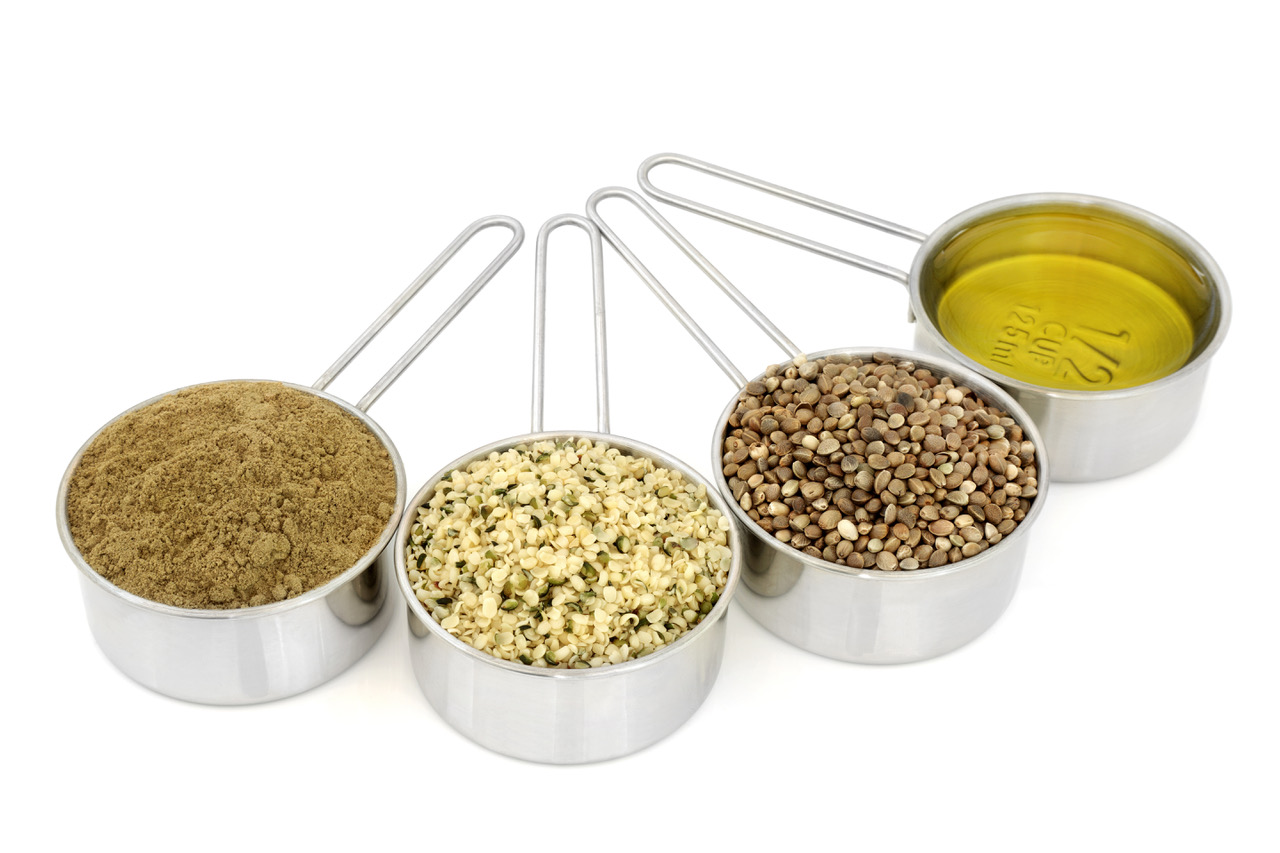
Hemp Oil is one of the most nutritious vegetable oils on the planet. Here are 6 great reasons why feeding Hemp Oil is better than Linseed Oil for your horses, dogs and chickens.

1 – Hemp Oil provides the perfect balance of Omega 3 : 6 for optimum nutrition

Most people think that the Omega 3 are the good guys and Omega 6 the bad guys, which is why Linseed Oil, with very little Omega 6 but one of the richest sources of Omega 3 has grown in popularity, but it isn’t quite that simple! Some scientists believe the ratio between 6:3 is more important than the actual quantity consumed, and Hemp oil naturally provides the perfect ratio of Omega 6 to Omega 3 of 3:1. The ratio of Omega 6 to Omega 3 in Linseed oil is 1:5

2 – Hemp Oil contains unique beneficial Omega 6 fatty Acids

Not all Omega 6 is bad. Certain Omega 6 fatty acids are actually very beneficial, such as GLA, which is not found in linseed oil. Hemp is also unique because it contains SDA (a particularly potent form of Omega 3) which is not found naturally in any other vegetable oils. The Omega 6 fatty acids offer health benefits for skin, joints and circulation.

3 – Hemp Oil is a natural source of GLA

Hemp Oil also contains Gamma Linolenic Acid, the very special Omega 6 fatty acid which is also found in Evening Primrose Oil. GLA is used in the formation of Prostaglandins which are essential for health.

4 – Hemp Oil is naturally rich in anti-oxidants.

Unlike Linseed Oil, Hemp is naturally rich in vitamin E. This helps to protect the oil and prevent it from going rancid, as well as giving nutritional benefits. Linseed Oil however, is very delicate and goes off quickly – It should be used within 3 weeks of manufacture. Storing it for any longer could actually damage the Omega 3 content and could even have negative health effects. Most linseed oil available for animal feed has been stored for much longer than 3 weeks. The strong putty-like smell is an indication that it has started to go rancid.

5 – Pure Devon Hemp Seed Oil is made exclusively by cold pressing

Cold Pressed oil means the oil is extracted from the hemp seeds without applying heat. This is important because heat damages Omega 3 fatty acids and can affect the nutritional content of the oil. Feed grade linseed oil is often heated or solvent extracted, therefore it may not be as healthy as you think it is!

6 – Pure Devon Hemp Seed Oil is chemical free and environmentally friendly

Our oil comes from hemp plants grown exclusively in the heart of the countryside in Devon. No fertilizers, pesticides or chemicals are used in its production and nothing going to waste as the whole crop can be used. Much of the Linseed oil used in animal feed is imported from Europe where it is produced on a grand commercial scale. Chemicals are used to promote growth of the crop and only the seeds are used, the rest goes to waste.

Conclusion:

If you are looking for a healthy oil which is natural, nutritious, vegetarian, made without chemicals, is palatable, environmentally friendly and has a good shelf life, look no further than Pure Devon Hemp Seed Oil.


Suitable for Horses, Dogs and Chickens

The perfect balance of Omega 3:6

Contains anti-inflammatory Omega 6 (GLA)

Rich in Antioxidants and Vitamin E

Cold pressed to preserve nutritional content

Hemp is farmed without pesticides or chemicals

Grown & produced in Devon

Delicious nutty flavour

click here to learn more 
How do I keep my animals warm?

cold winter warm chickens horse dog

Hands up if you are worried about keeping your animals warm right now….

Most animals are much better adapted than us, so this blog should put your mind at rest…

Horses:

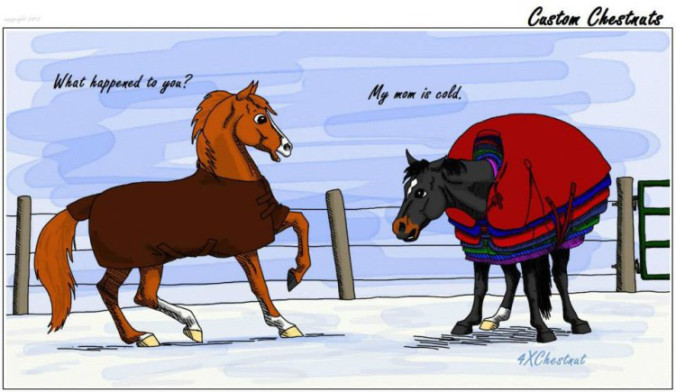
Horses are better designed to cope with cold weather than hot. Because of the way their digestive system works they are carrying around their own internal central heating system. Keeping their gut well stoked with plenty of forage is a more efficient way of keeping your horse warm than adding an extra rug.

So, How do you tell if your horse is warm enough?

Touching the base of his ears to judge his warmth is a myth, as is putting your hand under his rug as what you feel will depend on how warm your hands are!  A horse’s exterior temperature could be as much as 28 degrees cooler than their internal temperature. They could feel cold on the outside even if they are warm on the inside. Without getting a thermometer out, your most reliable indicator is knowing your horse and watching his behaviour. Is he out in the middle of the field grazing, or tucked up under the hedge with his tail jammed between his back legs? Is he happy or bad tempered? Shivering? Charging about in the field (to keep warm)? Horses can lose weight when they are too hot or too cold and just because we feel cold doesn’t mean they do.

Chickens:

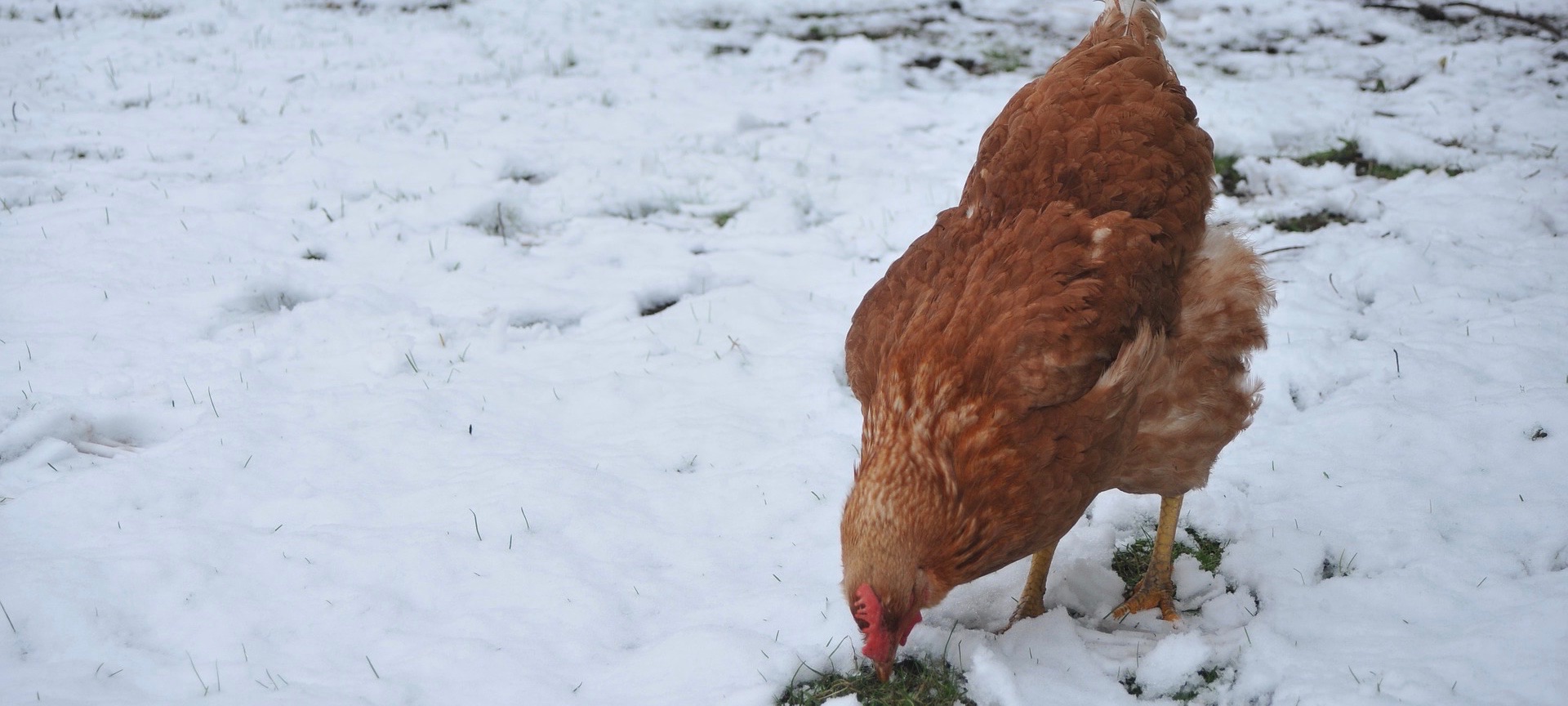
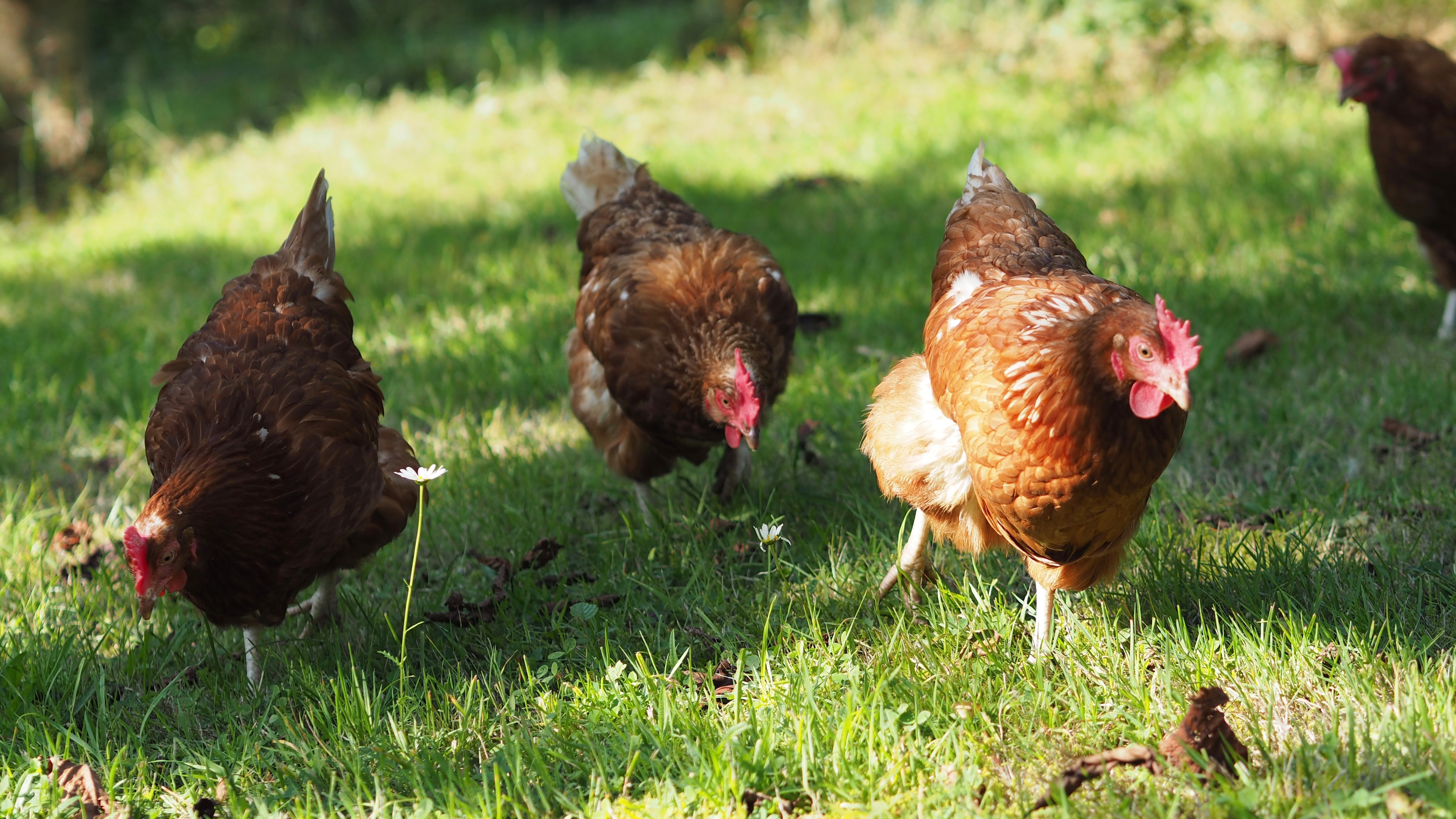
Chickens are kept successfully in all climates, including countries like Canada where the winter temperatures regularly hit -20. They will fluff up their feathers and huddle together to keep themselves warm. As with horses, it is important to ensure they have plenty of food and drinking water. You could increase their corn rations as this will give them the extra energy to keep warm. It may be tempting to completely shut them up in their coop or barn, but they need ventilation as the ammonia from their droppings can damage their respiratory system. If there is heavy snowfall, clear a path so they don’t have to walk on the snow to reach their food and water. Also check those with large combs for frostbite. They may need some Vaseline smoothed on to protect the bare skin.

Dogs:

Small breeds and those with very fine coats can shiver quite easily in the cold, especially if they spend most of their day in a warm house. If you think your dog would benefit from a coat or jumper, a design which completely covers their tummy will keep them warmest. Dogs have little, if any hair, on their tummy so this is where they lose heat the fastest.

A long or thick-coated dog will not need any extra protection and may even over heat in a coat, especially if they are wearing one while being exercised.

Our top winter tips:

To protect your dog’s paws from salted roads, and keep your water troughs flowing read our Winter Tips:

Winter Tips #1

Winter Tips #2

Helpful Tips for Winter #2

keeping horses warm in winter

Here are some more handy tips to help keep your animals safe and warm when the temperature drops.

Keeping your chickens warm at night…

Hens will appreciate having a full crop before roosting, as this will provide the energy to keep them warm through the night. To give them a real treat on a freezing afternoon, make up a warm porridge before they go to bed. Soak some layers pellets in hot water so it forms a mash. Add porridge oats, some dried fruit and even a teaspoon of honey. Feed it while it is still warm to set them up for the night. If your hen coop is quite exposed to the weather, use some old carpet to insulate it.

Protect your dog’s paws from salt and chemical de-icers…

Regularly walking your dogs on roads and pavements which have been gritted, salted or treated with chemical de-icers can make their paws sore. Applying petroleum jelly to the pads before you go out will help to protect them. Make sure you wash their feet in warm water and dry thoroughly when you get home. If you are walking on snow and ice, try to keep the hair around their pads trimmed to stop ice and salt crystals from accumulating on their feet.

Central heating for horses….

Did you know that the best way to keep your horses warm in cold weather is to feed more forage, not more hard feed? Forage is digested in the hind gut and fermented by the healthy bacteria. If you have ever made your own wine or beer, you will know that fermentation generates heat, and it is exactly the same in your horse’s gut! The fibre in the gut is fermented, creating heat which will help to keep your horse warm. Ensuring continuous access to forage will help to keep your horses warm through the coldest weather.

Riding & Road Safety When We Can’t Hear The Cars

horse riding hacking roads cars safety

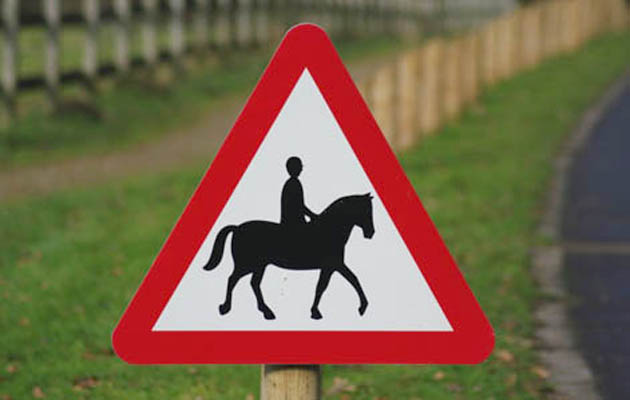
What will it be like to ride on the roads when we can’t hear the cars coming?

I was taken by surprise when at Tesco’s the other day. I was walking across the car park when suddenly a car was coming towards me – My body didn’t really react and I realized that it was because, although I could see the car, I couldn’t hear it.

And this got me thinking – What is it going to be like riding on the roads when I can’t hear the cars coming?

It is not just horse riders that will be affected. Dog walkers, hikers, joggers, cyclists and parents with push chairs. Not to mention the wildlife and all the ponies and animals living on the moors.

None of us will be able to hear the cars coming.

In the UK the sale of electric cars is increasing rapidly. In 2013 there were 3500, by December 2017 there were more than 130,000 electric cars on the road. From 2040 the Government want to ban the sale of new petrol and diesel cars. In just 22 years our roads will become a very different place.

I don’t want to get into arguments about the environment, and the reason why we, as a country, need to go electric. Or how the national grid is going to supply enough electricity to keep the cars running. What worries me, is hacking out along windy, country lanes with no idea whether there is a car coming round the next bend!

At the moment, the minute I hear an engine, I either start trotting to the next passing place, or wait squeezed on to the verge to allow the car to pass. My horse probably heard the vehicle long before me so he is as prepared as I am, and not startled by its arrival. If it were to appear out of nowhere, with no warning, the outcome could be quite different.

Some argue that the horse’s range of vision is far greater than ours, they can see almost right behind them. That would be fine if all the roads were straight. Others say it is the noisy engines that frighten their horse, but I believe that for-warned is for-armed. If you can hear the vehicle before the driver can see you, at least you are one step ahead of the situation.

I’d like to know how the Government intends to keep rural roads safe, when people and animals can’t hear the cars.

What do you think?

How to Make Fat Balls with Super Seeds

Give your Garden Birds a Treat with Fat Balls made from Super Seeds

How to make fat balls

You will need:

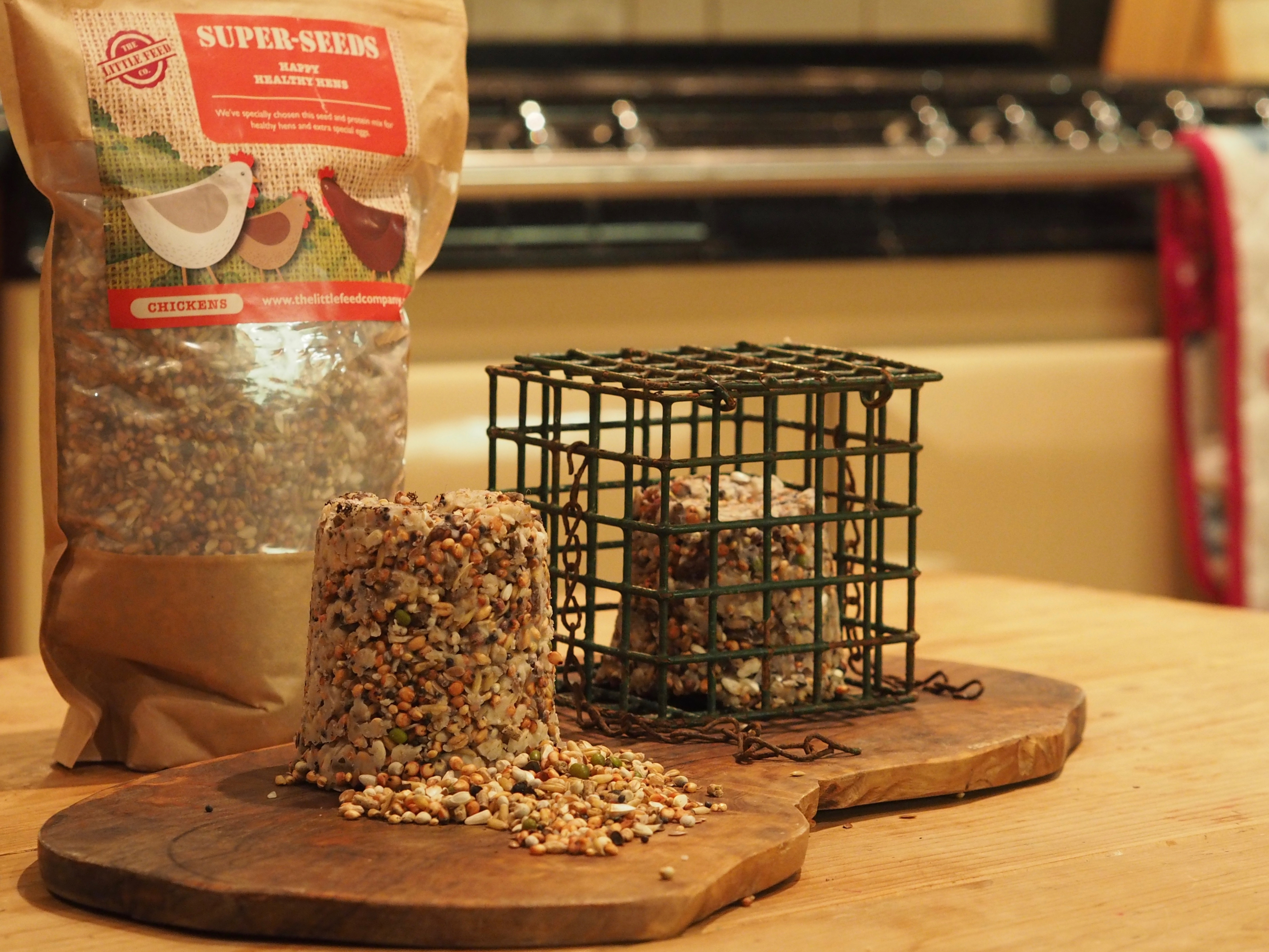
1kg of dry mix – we used a mix of Super Seeds, porridge oats and sultanas. You can also try adding bread crumbs, crushed biscuits, dried fruits etc You can buy our Super Seeds here

500g of Lard

flower pots, yoghurt pots or other container to make the fat ball shapes

Method:

1 – Mix all your dry ingredients in a bowl

2 – Melt the lard in a saucepan

3 – Mix the two together

4 – press into your pots, or scoop into rounds with an ice cream scoop

5 – leave to set in your fridge

Watch the Video Here


How to stop water troughs & buckets from freezing..

When the temperature drops to below freezing, breaking ice on water buckets can be a never ending job. Here are a few tips from animal owners living in much colder climates than ours….

1 – Use a rubber water container as metal will make the water freeze even quicker.

2 – Surround your water container with an old tyre to add extra insulation.

3 – Provide a large amount of water – a small bowl will freeze much more quickly than a large bucket. For large animals, use a large rubber feed trough, not a standard bucket.

4 – during the day, place your animals’ water in full sun so it gets as much warmth as possible.

Make a float to slow ice formation:

  • Find an old plastic drink bottle with lid (like a fizzy drink bottle)
  • Fill it with water and a cup of salt. The added salt will stop the water from freezing inside the bottle. (note – the salt is only in the bottle, not in your animals’ water!)
  • Now float this bottle in your animal’s water trough. As the water inside the bottle is less likely to freeze it will move around and blow in the breeze, helping to prevent your animals water from freezing too!

Extra ideas for hen keepers…

  • Use an old window/ sturdy piece of glass to set up a sun trap. Place the water behind the glass to direct the sun’s rays onto the water, like a green house. This would also make a great place for chickens to shelter behind and warm up.
  • Most hens won’t drink water overnight. At bed time, tip the water away and give them fresh in the morning. If you leave the water overnight and break up the ice in the morning it will soon refreeze on a cold day. It is far better to start the day with fresh water that will take longer to freeze.

Extra ideas for horses & grazing stock…

It has to be unusually cold in the UK for water to freeze in stables overnight. But when this is the case, you could try making an insulated bucket.

  • Fill your standard plastic bucket with water, as usual.
  • Place the water bucket inside a larger bucket, or trug.
  • fill the space between the buckets with straw or shavings to create an insulating layer around the water bucket to help prevent it from freezing.

Want more advice for winter?

Read our ‘How to keep your animals warm’ blog here


Chickens – Keeping your Flock Healthy

If you are new to keeping chickens, here are a few common health issues to look out for:

Red Mite

Incredibly common and notoriously tricky to get rid of. Red mites live in the crevices around your coop and come out at night to suck the blood of your chickens. In the day time they are a brownish – grey, turning red after feeding. As well as being incredibly irritating for your birds, in large numbers they can cause anaemia, reduced laying and loss of condition.   Regular cleaning, making sure you get into all the corners is essential. Sprinkling the house & birds with diatomaceous earth is a natural solution plus there are several commercially prepared products. Wooden houses seem to be the worst as there are so many places for the bugs to hide. From personal experience, since moving to a recycled plastic house I’ve not had a problem with red mite.

Coccidiosis

This is a parasite which damages the gut. It is the first thing to consider if your hens have loose droppings and are off their feed. There are several species which affect different parts of the gut. Your Vet can test a sample of their droppings to check for coccidiosis and other internal parasites. Prevention is better than cure, and good hygiene needs to be maintained to allow the birds to build up a natural immunity without becoming ill. Treating your flock will require an approved disinfectant for the housing and medication from your Vet.

Egg Shell Quality

It takes 20 hours for the shell to fully form around the egg. The shell is composed mainly of protein and calcium, so if either are lacking in the diet this can effect the quality. Hens that are coming into or out of lay often lay unusually shaped eggs as their body adjusts to the change. Poor eggs can also be triggered by stress. If it becomes an issue, supplementing the diet with Gastro Grit will provide both calcium and extra protein for healthy egg production.

Moulting

Your hens will moult once a year and the process will take a few weeks. During this time they will probably stop laying as they are using up their body’s reserves to replace their feathers rather than produce eggs. Boosting their dietary protein with Super Seeds will ensure they are getting everything they need for healthy plumage.

Parasites

Just like any other animal, your chickens should be wormed routinely. Regular cleaning of their coop and moving them on to fresh pasture will help to reduce worm burden. Wormers are widely available and are usually added to their water for a few days every few month.

Raisins – The Forbidden Fruit

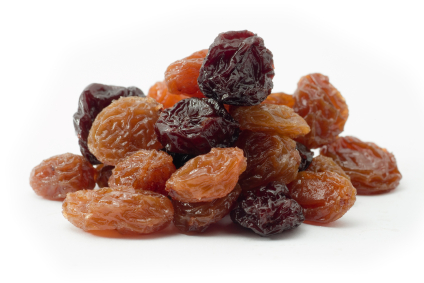
The shops are full of mince pies and many cooks will be starting on their Christmas cakes and puddings. All this extra dried fruit must be kept well away from your dogs as there is a serious risk of poisoning.

Why can we eat raisins when our dogs can’t?

We don’t actually know! What we do know is that some dogs are more sensitive than others, and the more raisons/grapes/currants your dog eats the greater the risk.

What are the symptoms?

Raisins are potentially fatal as they cause kidney failure. Initially your dog may experience sickness, diarrhea and lethargy. If you are aware that your dog has been eating raison take him to the Vet immediately. Don’t wait for symptoms – the sooner it is treated the better the prognosis.

What is the treatment?

There is no antidote to raisin poisoning. The Vet will usually administer activated charcoal to absorb the toxins and encourage the dog to be sick. The prognosis depends on the extent of the toxicity.

What other human treats are toxic to dogs?

Chocolate, macadamia nuts, fresh grapes, onions and garlic are probably the most common.  Also use of the sweetener, xylitol, is on the increase. This is sometimes used in peanut butter and also found in probiotic (gut health) supplements for horses.

Beware – The Harmful Fruits of Autumn

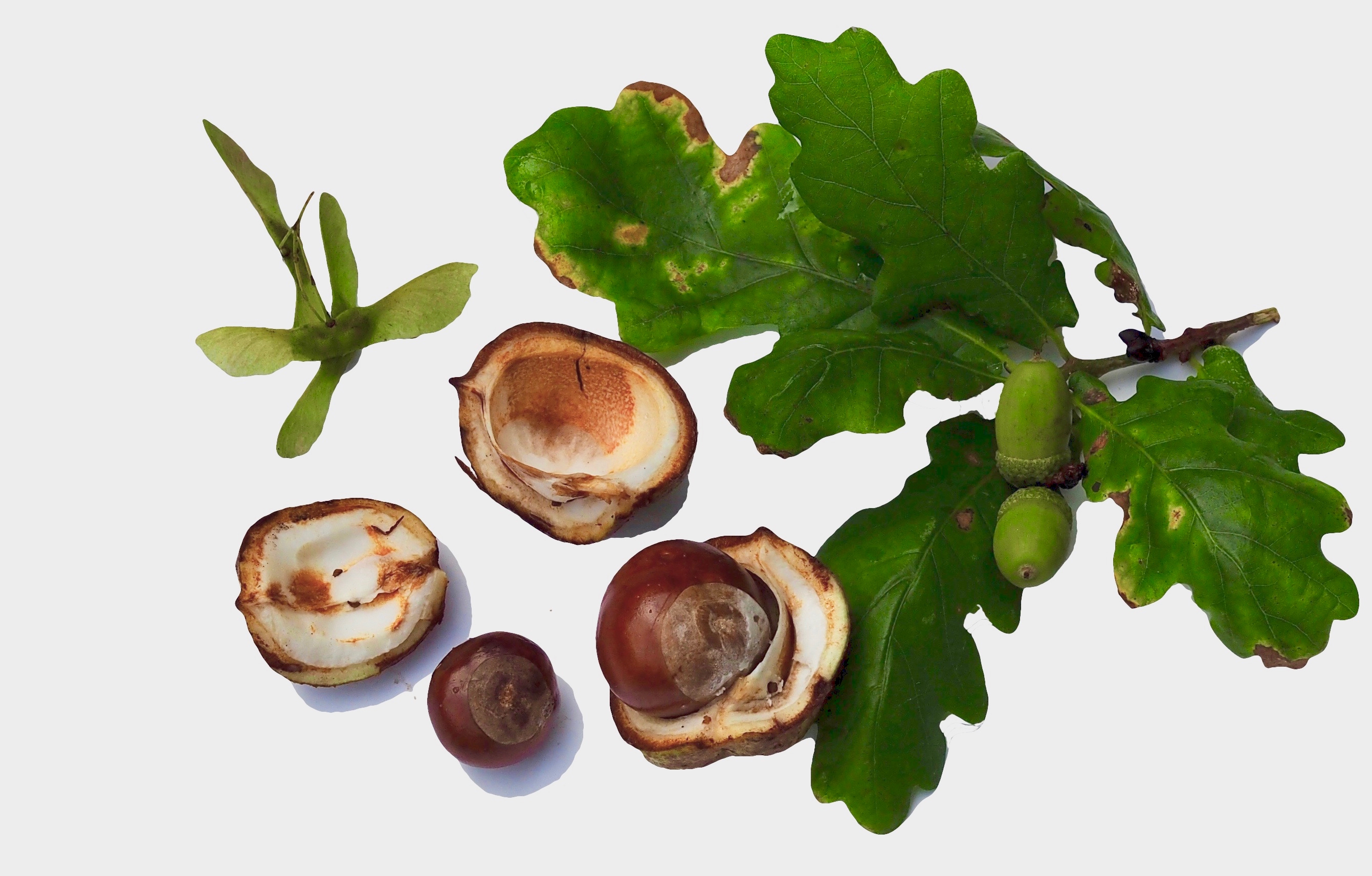
Britain is well known for its beautiful trees – Oak, Horse Chestnut and Sycamore being commonly found throughout our countryside in fields and woodlands. While we enjoy the shade they provide in summer, during autumn their fruits can put grazing stock and pets at risk. In this article we learn about the risks of acorns, conkers and sycamore seeds.

Acorns

Oak trees and their acorns contain tannins which are toxic to horses. If horses eat acorns in large numbers they may develop diarrhea, colic, gut damage or even kidney failure. Luckily, most horses don’t eat them in any significant quantity but some can get a taste for them, putting their health in grave danger. If you have an Oak tree in your field it would be advisable to fence it off so the horses can’t access the acorns, or move the horses to another field. In general, as long as there is plenty of other forage horses won’t eat the acorns, but they should be monitored closely. If a horse becomes lethargic or develops diarrhea and you are concerned that he may have been eating acorns you should contact your vet.

Acorns are also toxic to cattle, sheep and goats but pigs can eat them safely, and in some parts of the world pigs are fed large quantities of acorns to fatten them and flavour the meat!


Conkers

Apparently the horse chestnut tree was given its name because the Turks fed the seeds to their ailing horses, but generally the tree is considered toxic. Horses are very unlikely to eat conkers, and like acorns the quantity eaten affects their toxicity – the more they eat the more likely they are to become ill. Where as acorn poisoning is relatively common, poisoning caused by horses eating excess conkers is virtually unheard of.

Dogs poisoned by conkers is more common. Dog owners should be aware of conkers and never use them as a substitute for a ball or toy. Conkers contain a chemical called aesculin which can make a dog very sick. Symptoms include lethargy, diarrhea, discomfort and pain and may lead to toxic shock. Symptoms usually occur within 2 days of the dog eating conkers. You should contact your vet straight away if you believe you dog may be at risk.


Sycamore Seeds

Sycamore Poisoning in horses, known as Atypical Myopathy is a potentially fatal disease. In the autumn large numbers of the sycamore ‘helicopter’ seeds can fall to the ground, particularly after bad weather. It is not yet known what quantity of seeds must be eaten to cause symptoms, but we do know that some horses are more susceptible than others, and some seeds are more toxic than others. Sycamore seeds contain hypoglycin A, a chemical that affects muscles, including the heart muscle and muscles used for breathing. Severely affected horses will often die, but if treated early enough the prognosis is good. Signs to look out for include stiffness, lethargy, pain and red or brown urine.

Grazing near sycamores and the presence of red/brown urine are key indicators of atypical myopathy. Immediate action is necessary to prevent kidney failure. If you have sycamore trees close to where your horses are grazing, check the field daily and ensure your horses have plenty of forage and grass to reduce the chances of them eating sycamore seeds.